A trail is a route worth understanding.
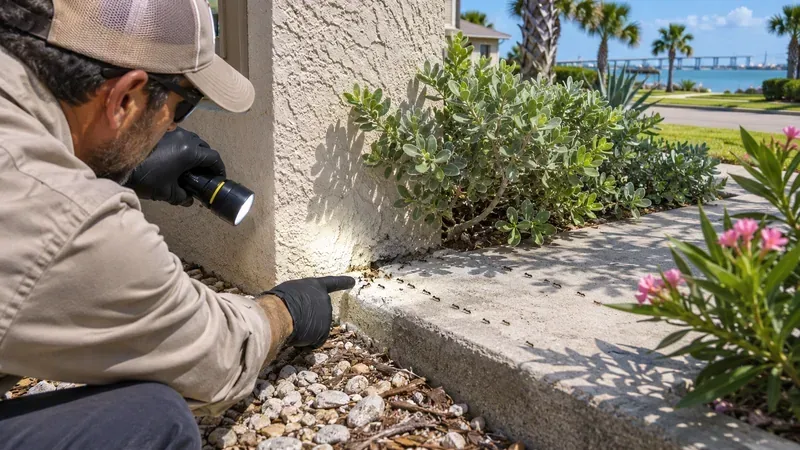
Note the first place ants appear, where the trail goes and whether it returns at the same time each day. Kitchen activity, ants around a bathroom and ants emerging beside timber may lead to different inspection questions. A photograph of the insect and a wider view of the trail provide more context than a close-up alone.
- Trails along windows, doors or worktops
- Recurring activity around sinks or pet food
- Winged insects that need identification
Keep a record of the location, timing and any change in the pattern. These observations help focus an assessment; they do not establish the cause on their own.
What the assessment covers
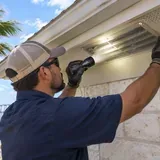
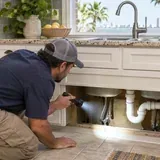
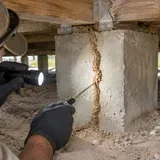
Where ants appear is useful evidence, but it is only the start. An assessment can follow trails, look at accessible nesting areas and consider moisture around kitchens, bathrooms and the outside wall. The species matters because nesting and feeding behavior vary.
- Identification and trail locations, including the outside edge of the affected room.
- Food, water and accessible shelter associated with the activity.
- A treatment and monitoring plan that accounts for any products already applied.
Ask for the findings in writing, including the locations checked and any area that could not be accessed. If further investigation is needed, its purpose and scope should be clear before it is arranged.
From findings to an agreed plan
A targeted plan may combine treatment, food-storage changes and repairs to small entry gaps. Discuss where products would be placed and what preparation is needed. Treating every visible ant without understanding the trail can leave the underlying route unresolved.
Before work begins
Confirm the affected areas, preparation, access and proposed work. Ask which tasks are included, which need separate approval and whether another specialist is required. Keep the scope and any written terms with the service record.
Corpus Christi property details that matter
A home near the bay and a house farther inland may have different entry points, drainage and surrounding vegetation. In Corpus Christi, an assessment should start with the property itself: doors, utility penetrations, garage edges, screened spaces and the places where moisture collects.
Rain can leave water in plant saucers, containers and blocked gutters. Corpus Christi’s mosquito guidance emphasizes removing standing water, so a mosquito conversation should include habitat around the property as well as the insects currently being noticed.
Share the exact address, including any separate building or shared space involved. The local area guide lists useful neighborhood and ZIP references. Give us your address and we tell you whether we can come and when.
After the visit
Keep a short record of where activity changes after the agreed work. Ask when improvement should be assessed and which sightings justify another conversation. Follow the provided instructions rather than adding unrelated products that could interfere with the plan.
Compare later observations with the original concern. Record where the activity or symptom appears, when it happens and what has changed since the work. That gives the follow-up conversation a useful starting point.
For rented or shared properties, make sure the person responsible for access and repairs receives the findings. Keep pest work, equipment repair and any separate building work clearly assigned.
Discuss ant control for your property.
Start with the information you have. You can choose this service in the enquiry form and add the location, timing and access details.
Request this serviceReturn to Corpus Christi Pest Control